Coastal breezes and sunny days do not keep the lights on when a transformer stops working at 5 p.m. Or when wildfire prevention closes down a circuit. Orange County property owners and business owners see a different sort of seasonality now, one formed by Public Safety Power Shutoffs, unexpected wind occasions, and the periodic substation problem that blanks out whole blocks. The calls we get as an Orange County electrical contractor tend to follow a pattern. First blackout, individuals grit their teeth. Second outage, they buy more flashlights and battery packs. Third outage in a month, they desire a generator plan that does not depend upon gas cans and guesswork.
This guide gathers what matters for generator installation in Orange County. It is written from the viewpoint of a licensed electrical contractor in Orange County who has spent a lot of time on job websites in Irvine, Huntington Beach, Objective Viejo, and Anaheim, not from a pamphlet. The objective is not just backup power, however a system that starts when it should, passes assessment, and does not disturb the neighbors or breach HOA rules.
Where interruptions happen, and why preparing matters here
Our service location consists of seaside systems, foothill areas with overhead lines, and thick blended usage zones around South Coast City. Each setting has its own risk profile. Along the coast, salt air corrodes unprotected connections. In foothill neighborhoods, wind can drop tree limbs on lines and result in preemptive shutoffs. Older business suites in Santa Ana sometimes operate on small panels that journey under regular peak loads, then fail once again after an interruption because the main breakers are tired. High performance HVAC and contemporary refrigeration cycle tough on startup, so when the power snaps back, problem journeys can waterfall through a building.
Planning for dependable backup centers on these specifics. You size the system for real loads. You choose fuel with an eye on earthquake resilience and noise. You spec a transfer switch that will act with your panel and your energy service. You consider gain access to for service and setbacks for city and HOA guidelines. That is the difference between a quiet switchover and a frantic midnight call to an emergency situation electrical contractor in Orange County.
Portable generator or standby unit
The first discussion tends to be about mobility and spending plan. A property owner in Lake Forest may already own a 7 kW portable with a wheel kit. It will run a fridge, lights, and a couple of outlets, but it will not start a 5 ton ac system or an electrical variety. A portable connected to a code certified inlet and manual transfer switch can be a wise bridge service. It requires a person to roll it out, link cords, manage fuel, and flip the manual switch. It will not auto start when you are 40 miles away.
A permanently installed home standby generator sits on a slab, ties into your gas supply or a propane tank, and manages power through an automated transfer switch. It keeps track of energy power and begins itself within seconds of a failure. It also exercises itself on a schedule so you are not nursing an unwilling engine after the fifth month of disuse. For an older couple in Newport Beach who travel frequently, this set and forget element matters. For a deli in Costa Mesa with inventory on the line, automatic transfer and load management pays for itself in a single conserved outage.
For many small businesses, there is a third course. A business standby generator with a service rated automatic transfer switch that carries just vital circuits. Freezers, POS systems, lighting, network gear, security. Offices in Irvine Spectrum typically pick this path rather than whole building backup because it controls cost and sound while keeping operations intact.
Sizing that reflects real loads, not guesses
The worst sizing advice starts with the phrase, you most likely need. The right technique starts with a load estimation and a look at starting currents. A refrigerator might note 700 watts running, but its compressor start can surge 3 to 5 times that for a 2nd or two. Multiply that across an a/c system, well pump, and a swimming pool pump, and you get the picture.
We usage 3 inputs. Initially, a stock of circuits you in fact desire running throughout an outage. Second, nameplate data for big loads, particularly a/c unit and heat pumps. Third, a few clamp meter readings during normal operation to see peaks, not just approximates from labels. Modern standby systems pair well with load management modules that briefly shed big loads throughout start-up, which lets a 18 to 24 kW property unit handle a home that would otherwise demand 30 kW at the worst immediate. In industrial spaces with elevator motors or big walk in compressors, we will evaluate soft starters or VFDs and coordinate their settings with the generator's capacity.
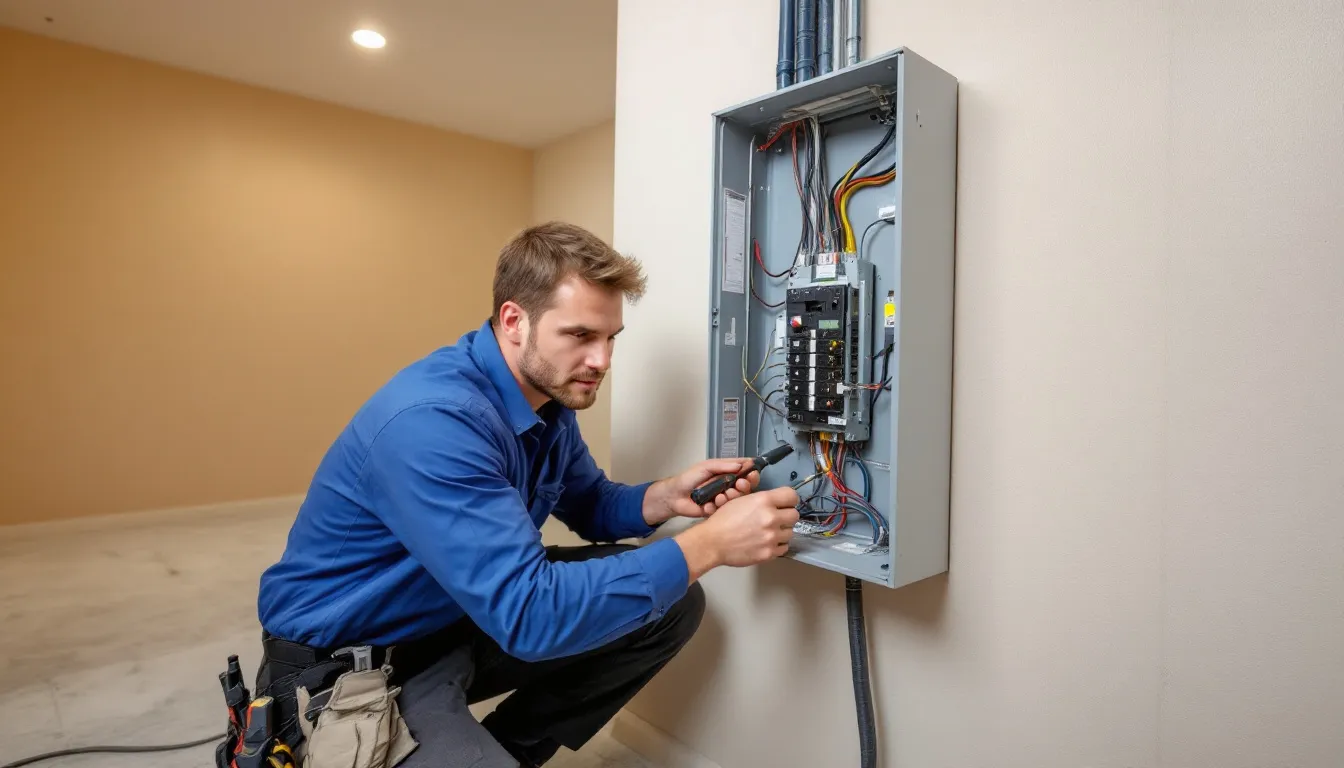
Homeowners frequently ask about whole house versus essential circuits. Entire home backup can make good sense in a more recent home with effective equipment and a 200 amp service that hardly ever sees more than 15 to 20 kW in actual use. Important only makes good sense when the budget plan is tight or the service is already jammed with EV battery chargers, day spas, and a second HVAC system. An Orange County electrical examination will pass either technique when created correctly, but the difference appears in cost, fuel usage, and sound throughout an outage.
Fuel in Southern California context
Natural gas is convenient here. It is currently on site, it never requires to be filled up by hand, and it permits longer run times than a gas can. Many domestic standby generators from 14 to 26 kW can run on natural gas with a properly sized meter and regulator. This is where experience matters. We routinely find gas meters that are undersized as soon as you include a generator and a high efficiency heating system. On a cold night after a power failure, both will try to run, and a starved gas line can trigger nuisance shutdowns. A licensed electrical contractor in Orange County coordinates with a https://reidovqs411.scriblorax.com/posts/fast-breaker-replacement-services-in-orange-county plumbing professional or the gas utility to size the line correctly and prevents that problem.
Propane has a place when the gas service is not offered or when a client desires on website fuel for earthquake contingencies. A 250 to 500 gallon tank provides days of runtime for a 14 to 24 kW system, depending upon load. It needs tank set approvals, site area, and routine delivery scheduling. Sound and emissions resemble natural gas on today's engines.
Diesel appears more frequently in commercial generator installation in Orange County, especially for bigger kW rankings or where fuel dependability is critical. It strikes harder on emissions requirements and includes maintenance tasks. For a small workplace condominium that only requires 20 kW, diesel is usually overkill. For a refrigerated storage facility, it might be the ideal call.
Gasoline is best kept for portable units. The volatility, storage limitations, and short life span make it a poor choice for standby.
What an installation really involves
People are frequently surprised at how many trades and steps go into a tidy setup. Done right, the process decreases disruption and avoids expensive change orders. Our group handles both residential electrician Orange County work and light commercial tasks, and the flow is similar.
- Site assessment and load planning. We walk the home, check obstacles, procedure clearances from windows and vents, look at the panel, and note HOA rules and city ordinances. We take pictures for the authorization package. Design and allowing. We draw a one line diagram, define the automatic transfer switch, detail conductor sizes and avenue routes, and submit to the local Authority Having Jurisdiction. In Orange County, that may be the City of Irvine, Anaheim, or the County for unincorporated locations. Typical permit timelines run 2 to 6 weeks, depending upon season and city workload. Utility coordination. We alert Southern California Edison when needed, particularly for service ranked transfer switches or meter work. We set up any essential shutdown windows with the client to avoid idle teams and missed out on inspections. Site work and set. We put or place the generator pad, run avenues, set the generator, and tie in the gas line or lp service stub out. We install the transfer switch near the primary service equipment. This stage often includes an electrical panel upgrade in Orange County homes with old 100 amp services or outdated gear. Older Zinsco or Federal Pacific panels are a common traffic jam. Upgrading now prevents future headaches and is safer. Testing and inspection. We commission the unit, program the workout schedule, confirm voltage and frequency under load, and test load management modules. An electrical evaluation in Orange County is set up, and we meet the inspector on site with the plans and cut sheets. After approval, we evaluate owner operation and standard maintenance.
From start to end up, a straightforward domestic task clocks about one full day on site when allows are in hand. Complex industrial projects stretch longer, particularly if we are also doing lighting installation for code upgrades or adding a separate emergency lighting panel.
Noise, positioning, and neighbor relations
Standby units are quieter than they were ten years ago. Many domestic generators rate in the mid 60s to low 70s decibels at 23 feet. That puts them in the same general area as a loud dishwashing machine or a discussion, however it is still obvious during the night. Orange County cities have specific noise regulations, and HOAs frequently have their own. We schedule exercise cycles midday to avoid morning rumble. Positioning is just as essential. A system tucked beside a garage with a fence in between can appear far quieter than the same model set next to a bedroom wall. For seaside setups in Newport and Huntington, we likewise choose enclosures and hardware that deal with salt air and recommend a rinse schedule for clients a few blocks from the ocean.
Clearances are not arbitrary. Manufacturers set minimum distances from walls and openings to prevent carbon monoxide build-up and to supply cooling airflow. City guidelines include problems from home lines. A top rated electrician in Orange County will size the pad and position the system to satisfy both sets of requirements and document them for the inspector. We have actually moved more than one generator a foot after a DIY set up because the window well was 2 inches too close. That is a costly correction.

The city and the code
The California Electrical Code aligns with the National Electrical Code with state changes. Optional standby systems fall under Article 702. That implies transfer devices that prevents backfeeding the energy, correctly grounded systems, and electrical wiring techniques that are listed and installed per specification. A portable generator feeding a house through a dryer receptacle is prohibited and harmful. Inspectors in Anaheim and Irvine have no perseverance for it.
Transfer switch choices matter. A service rated automated transfer switch allows the generator to operate as the service detach. Non service rated switches need a correct disconnect upstream. Interlock kits can be legal when noted for the panel and accepted by the local jurisdiction, but numerous Orange County electrical repair calls come from homemade interlocks that should never have actually been installed. When in doubt, we send the devices list and cut sheets with the authorization. That avoids objections later.
Bonding and grounding is another common misstep. Whether the generator is bonded at the source or at the service depends upon switch type and neutral plan. That little information modifications conductor count and grounding electrode requirements. It is typical for a property electrical expert in Orange County to invest as much time planning those details as pulling wire.
Budgeting honestly
Real numbers help. For a normal single household home, a 14 to 24 kW air cooled standby generator with an automated transfer switch, pad, gas work, authorization, and commissioning usually lands between 8,500 and 18,000 dollars in Orange County. If the setup also requires a panel replacement in Orange County to bring an old service approximately current code, add 2,000 to 5,000 depending on service size, grounding, and meter work. A business job with a 30 to 60 kW unit, external fuel tank, and service ranked switch often runs 25,000 to 60,000 and up, with broad difference due to site conditions and gear availability.
A portable generator with a code certified inlet, manual transfer switch, and a few devoted circuits can be set up for 2,000 to 5,000 plus the generator itself. It is an excellent stopgap in rentals or when a property owner is waiting on HOA approvals for a standby unit.
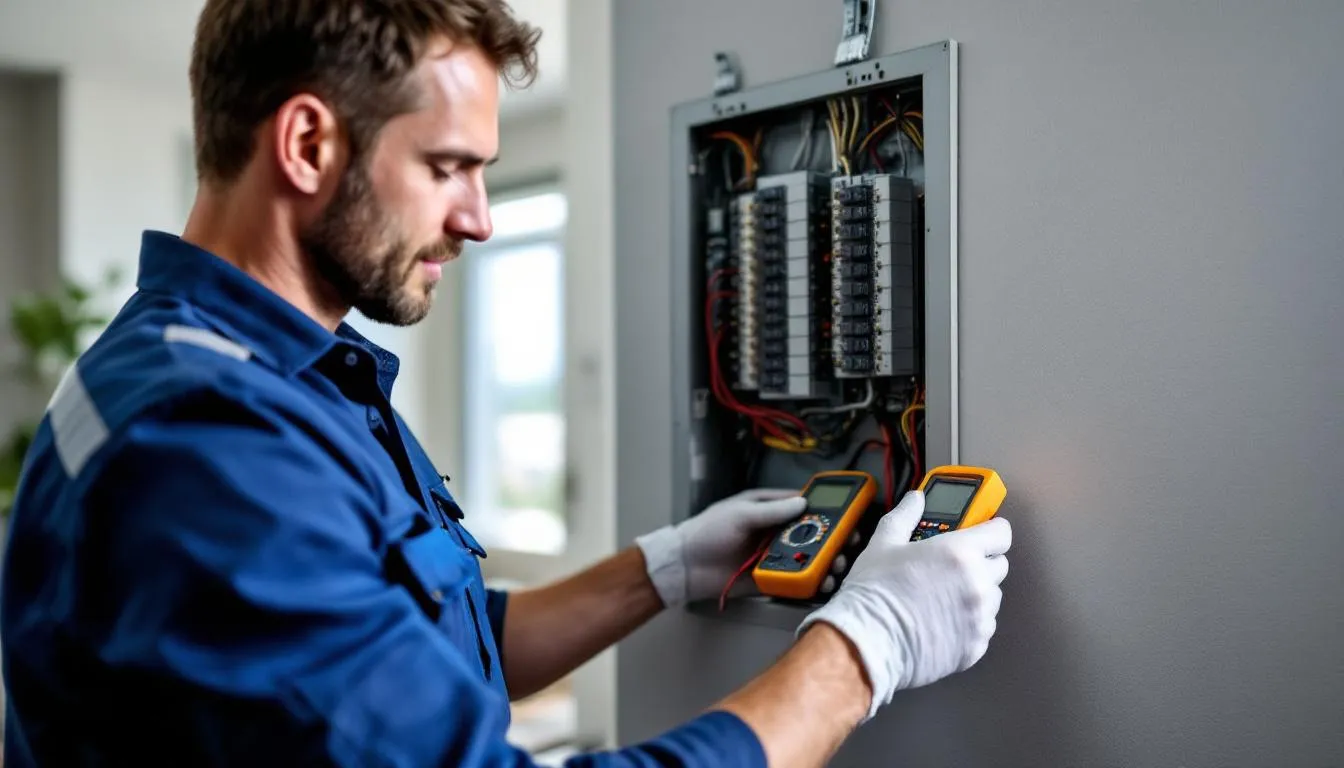
We refuse to be the cheapest bid when it suggests cutting essentials. Utilizing aluminum conductors where copper is required by the maker or skimping on seismic anchoring conserves cents now and costs thousands later on. If you require an inexpensive electrical expert in Orange County, ask for a scope that cuts non essentials instead of unlisted replacements. For example, securing just the fridge, lights, a few outlets, and the garage door typically gets a family through a 12 hour outage at less cost than entire home backup.
How generators engage with modern-day homes
Ten years back, a typical home had an easy gas heater and a one speed AC system. Today, we see variable speed compressors, high performance furnaces with ECM blowers, a pair of EV battery chargers, and linked devices that dislike filthy power. Modern standby generators are far much better controlled than older designs, however they still take advantage of cautious coordination.
- EV chargers: Lots of EVSE systems in Orange County can be put on a shed technique during outages. We include a contactor controlled by the generator's load management so charging stops briefly while the generator deals with HVAC or cooking loads. An EV charger installation in Orange County can be prepared with a generator in mind by running a devoted subpanel for shed loads. Smart home circuitry: Networking and automation gear need to be on small UPS systems that bridge the second or 2 before the generator picks up. Without that, routers and centers reset and delay everything. We set expectations and provide a basic diagram so clients can label their racks. Low voltage circuitry: Lots of clients forget gates, cams, and watering controllers. We test them throughout commissioning and tie crucial low voltage power materials to supported circuits. That little touch avoids a locked driveway gate in an outage.
Maintenance that prevents failure
A generator that starts each week in workout mode tends to start under tension. But it still needs care. Air cooled property systems typically require oil and filter changes every year or 100 to 200 hours, spark plugs every 2 to 3 years, and routine valve changes per the manufacturer. We arrange a maintenance see after the very first year, then every year. For commercial units, we construct a plan with quarterly evaluations and an annual load bank test. A load bank seems like overkill, but a generator that just idles throughout brief interruptions can glaze cylinder walls. Putting it under managed load keeps it healthy.
Corrosion control is a real issue along the coast. Stainless hardware and anti seize substance on circuit box are cheap insurance coverage. We likewise inspect rodent screens. You would be surprised how often we find nests in units that sit near hedges.
Fuel supply is not set and forget. If you run propane, keep the tank above half throughout wildfire season. If you run diesel, use stabilizers and turn stock. Natural gas users ought to note meter upgrades on their account and validate after gas business work that regulators and flex adapters are still proper. We have found meters swapped by an utility team that changed offered pressure and caused problem shutdowns throughout the next outage.
A short pre interruption drill that pays off
- Test the generator under load for at least 10 minutes and listen for uncommon sounds or vibrations. Check gas or lp supply, and verify valves are open and leak free. Confirm exercise time is set to midday to avoid sound issues. Back up vital gadget settings and ensure routers and centers are on little UPS units. Clear leaves and particles from around the enclosure to maintain airflow.
Common mistakes and how we avoid them
Backfeeding through a dryer outlet still pops up in service calls. It is illegal and can kill a lineworker. We eliminate those setups on sight. Another frequent concern is putting a generator where exhaust drifts into a neighbor's lawn or a bedroom window. We utilize producer clearances and a smoke test when wind patterns are difficult. Small gas lines are probably the most typical technical issue. Throughout the quote, we compute the entire gas load, not just the generator, and run the numbers versus pipe length and pressure. If the line is limited, we propose a devoted run or a meter upgrade with clear pricing.
On commercial installs, the risk is forgetting selective coordination when adding a transfer switch and generator. If the fault present available from the generator supports it, we coordinate breaker curves so a fault downstream trips the tiniest needed gadget. It keeps more of your building live during an issue. This is not glamorous, but it appears the very first time a tenant plugs in a bad appliance.
How this ties into the rest of your electrical system
A generator is not an island. It becomes part of a system that might likewise include a panel upgrade, rise protection, and targeted circuit work. When we do a generator installation in Orange County, we frequently include an entire home rise protector to protect sensitive electronics from changing transients. If your home still has actually cloth insulated branch circuits or backstabbed receptacles, think about entire home rewiring in Orange County or at least outlet setup upgrades on vital runs. While we remain in the panel, we might remedy neutrals and premises that were doubled up decades earlier. Little corrections there make a huge distinction in nuisance journey rates and general safety.
We also use the check out to tidy up lighting circuits. Recessed lighting in Orange County homes has actually progressed, and LED retrofits draw far less power. That can open headroom in your panel for a future day spa or a second EV. Outdoor lighting in Orange County yards benefits from backed up power for security, so we will frequently tie boundary lights to essential circuits. Ceiling fan installation on supported circuits is a small quality of life upgrade throughout summertime blackouts when the air conditioning is being cycled by load management.
Residential and industrial differences
A property standby system is about convenience and safety. Keep food cold, keep a couple of rooms lit, run medical devices, and keep climate in at least part of your house. A commercial system is about connection. For a little retail shop, that may be lights, signs up, and a modem. For a restaurant, it is refrigeration, hood controls, and emergency lighting. For a small data room, it is HVAC and double fed UPS systems. The style options alter accordingly.
Commercial authorizations often require more documents, including single line diagrams marked by a professional engineer, load research studies, and sometimes acoustic research studies if the generator is near domestic zoning. We have handled both sides. As a business electrical expert in Orange County, we also collaborate with home managers and neighboring tenants to schedule shutdowns and to phase devices without choking off shared parking.
Timelines, access, and working around life
We try to decrease disturbance. For a household with young kids in Tustin, we arranged trenching and panel work the very same day and kept the power off for under four hours. For a dental practitioner's workplace in Laguna Hills, we staged the transfer switch set up on a Friday after hours and commissioned on Saturday early morning. A very same day electrician in Orange County can fix a tripped breaker, but generator installs are worthy of planning time. Anticipate 2 site visits before work begins, then one to two days on website, then a short return for inspection if the city requires it.
Supply chain matters too. Throughout heat waves, generators sell out and transfer switches are scarce. If you understand you want one before fire season, order early. As a regional electrical expert in Orange County, we source from local distributors in Anaheim and Santa Fe Springs to keep preparations down, but even then, certain kW rankings come and go.
Who ought to do the work
Searching for an electrician near me in Orange County shows up a mix of handymen, solar installers meddling backup, and full-time electrical companies. Search for a certified electrical contractor in Orange County with specific generator experience. Ask to see a recent authorization final in your city. Ask how they deal with gas sizing. Confirm they are comfy with your specific brand name and that they can service it. A 24 hour electrical contractor in Orange County is valuable after a storm, but that must not be the first time you meet them.
Clients often appreciate price and rankings. Budget friendly does not need to suggest corner cutting. The very best electrical contractor in Orange County for your task is the one who can explain the load calc they ran for your home, indicate the code sections driving an offered choice, and provide you a tidy scope and schedule. A top rated electrical contractor in Orange County makes those evaluations by showing up when it counts and standing behind the setup a year later.
A quick course to readiness
If you are starting from zero, here is a tidy path. Call for a website see. Bring your wish list of what should run during a failure. We will check your panel, your service, and your gas meter, and then we will offer you two choices. One that covers fundamentals at the best value, and one that covers nearly everything with space for development. If you plan to add an electric car charger, tell us now so we can prepare a subpanel and future capacity. If your panel is already at capability, we will plan a panel replacement in Orange County at the very same time to prevent double work later.
Orange County is not the simplest place to permit and stage a generator because space is tight and rules are firm. That is all the more factor to handle the details upfront. When the next wind occasion rolls through and the lights blink off at dusk, the work you did ahead of time turns a community blackout into a non event. The fridge hums, the Wi Fi keeps up, and you can put the kids to bed without a headlamp. That outcome is what we build for.